Opening a dental practice isn’t just “rent + chairs.” If that’s how you’re budgeting, you’re already behind.
Most cost overruns don’t happen because dentists are careless — they happen because key expenses are misunderstood, underestimated, or ignored entirely until it’s too late. This post breaks down what it really costs to start a dental practice and where new owners get burned most often.
1. Real Estate & Lease Costs (Before You Ever Build)
Budget range: Highly variable, but often underestimated
This starts before construction and is one of the most strategic decisions you’ll make.
What to budget for:
- Lease security deposit
- Legal review of lease (non-negotiable)
- Rent during build-out (yes, you often pay before opening)
- CAM, taxes, insurance (often overlooked)
- TI allowance gaps (landlords rarely cover everything)
Hard truth:
A “cheap” lease in a bad location or with poor infrastructure can cost you far more long-term than a higher rent in the right space.
2. Design, Architecture & Engineering
Typical range: $20,000–$60,000+
This is not just drawing walls.
Costs often include:
- Dental-specific space planning
- Architectural drawings
- Mechanical, electrical, plumbing (MEP) engineering
- Revisions due to landlord or city comments
- Coordination with equipment specs
Common mistake:
Trying to reuse “standard” plans or hiring professionals who don’t specialize in dental. That usually leads to redesigns mid-construction — which means delays and change orders.
3. Construction & Build-Out
Typical range: $150–$350+ per square foot
(And yes, dental is more expensive than general commercial.)
What’s included:
- Demolition
- Framing, drywall, ceilings
- Plumbing for operatories
- Electrical + data
- HVAC modifications
- ADA compliance
- Inspections and permits
Reality check:
Construction costs are directly tied to:
- Number of operatories
- Existing plumbing condition
- Building type (retail ≠ medical ≠ former restaurant)
- City and state regulations
If you don’t lock your scope early, this number grows fast.
4. Dental Equipment & Technology
Typical range: $150,000–$350,0000
This is where many dentists think they’re budgeting correctly — but aren’t.
Includes:
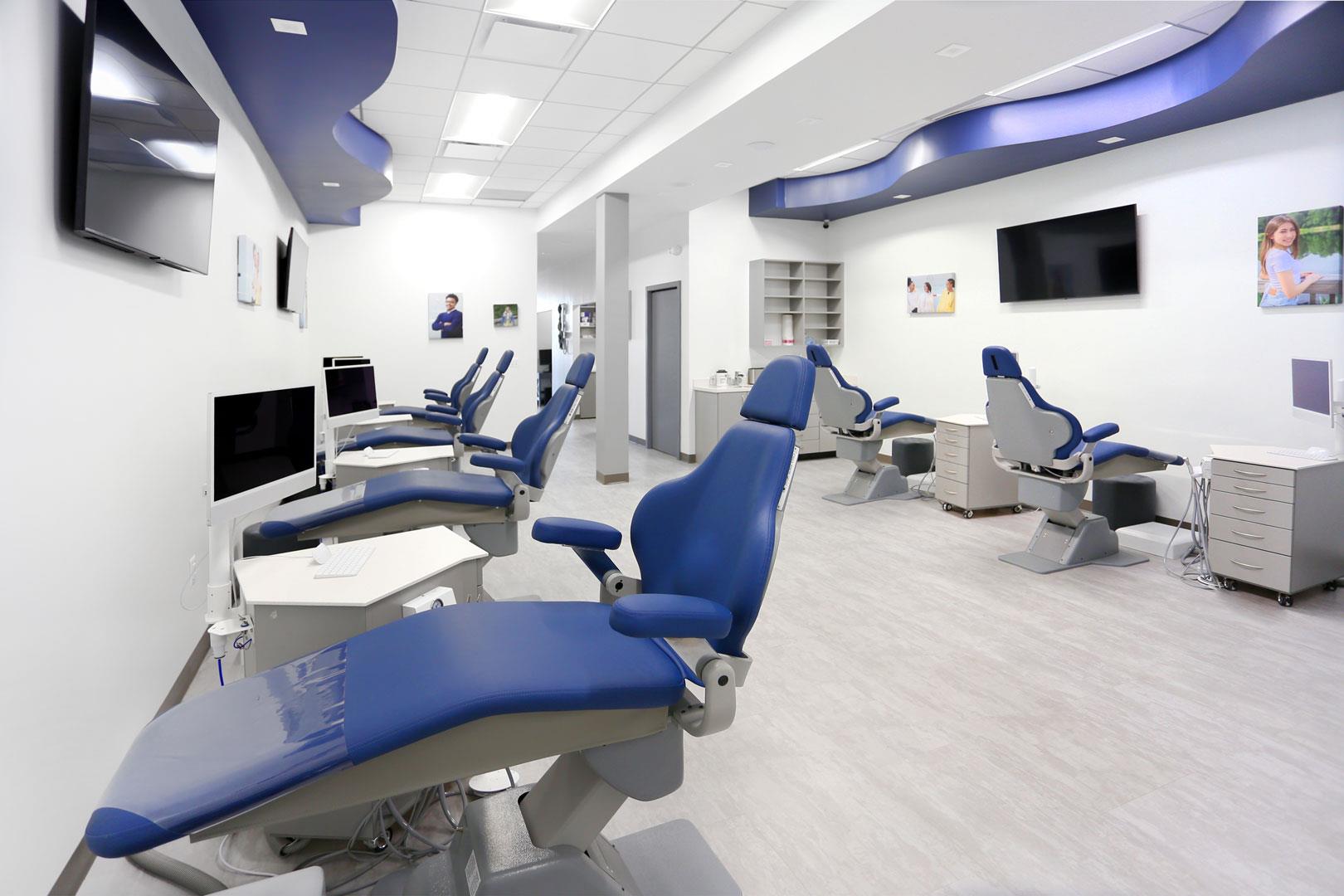
- Chairs & delivery units
- Lights, compressors, vacuums
- X-ray sensors or CBCT
- Sterilization equipment
- Handpieces
- Software and imaging systems
Hard truth:
Buying equipment without coordinating design and construction is one of the fastest ways to blow your budget or end up with a dysfunctional layout.
5. IT, Phones & Infrastructure
Typical range: $15,000–$40,000+
Often ignored until the last minute.
Costs include:
- Network wiring
- Server or cloud setup
- Practice management software
- Phone system
- Security & backups
- HIPAA compliance measures
Mistake:
Letting vendors operate in silos. IT affects equipment, which affects layout, which affects construction.
6. Furniture, Fixtures & Cabinetry
Typical range: $30,000–$100,000+
Includes:
- Custom dental cabinetry
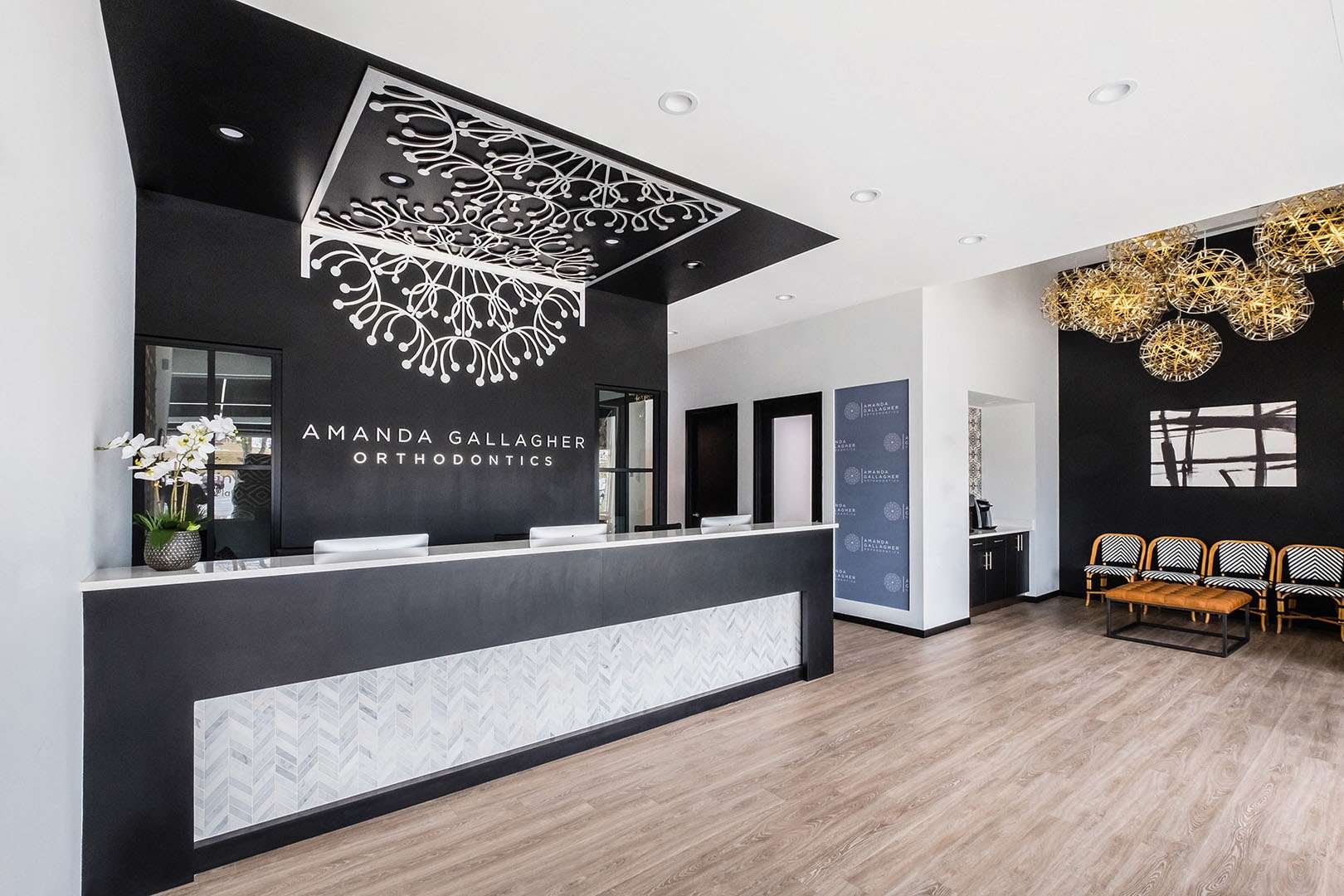
- Reception desk
- Waiting room furniture
- Doctor’s office
- Breakroom
This is where “Pinterest dreams” collide with real budgets.
7. Soft Costs You Will Pay (Even If No One Warns You)
These add up quietly — and painfully.
Expect:
- Legal fees
- Accounting & entity setup
- Insurance (liability, malpractice, property)
- Credentialing
- Marketing & branding
- Website
- Signage
- Temporary staffing or training costs
Rule of thumb:
If it involves paperwork, approvals, or people — it costs money.
8. Working Capital (The Most Ignored Line Item)
Minimum recommendation: 3–6 months of operating expenses
This covers:
- Payroll
- Rent
- Supplies
- Utilities
- Loan payments
Brutal honesty:
Practices don’t fail because they weren’t profitable — they fail because they ran out of cash before momentum kicked in.
The Big Picture: What Does It Really Cost?
Most true startup dental practices land somewhere between:
$550,000 – $1,000,000+
Yes, that’s a wide range — because your decisions drive the number.
Final Takeaway
Starting a dental practice is not just a construction project.
It’s a fully integrated business launch involving real estate, design, construction, equipment, IT, compliance, and cash flow management. Hire an experienced, knowledgeable, and hands on project manager to ensure your success.
If you budget in silos, you will overspend.
If you plan holistically, you stay in control.