A pediatric startup isn’t just a general practice scaled down for smaller patients. Everyone researching how to open a pediatric dental practice needs to understand early that the design, staffing model, and even the sales pitch to landlords and lenders differ from a standard general dental startup in ways that affect nearly every decision.
Open-Bay vs. Private Operatory Design
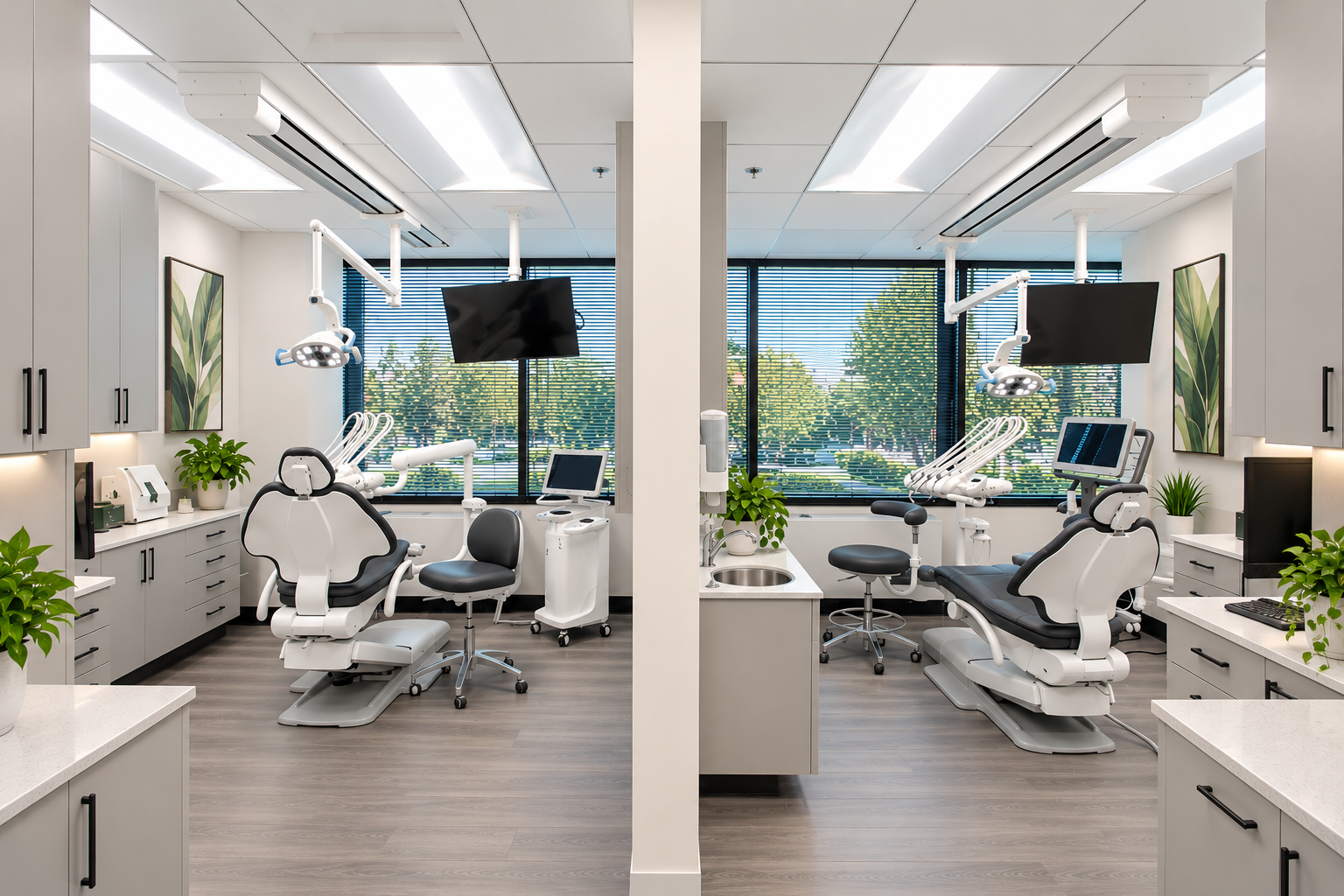
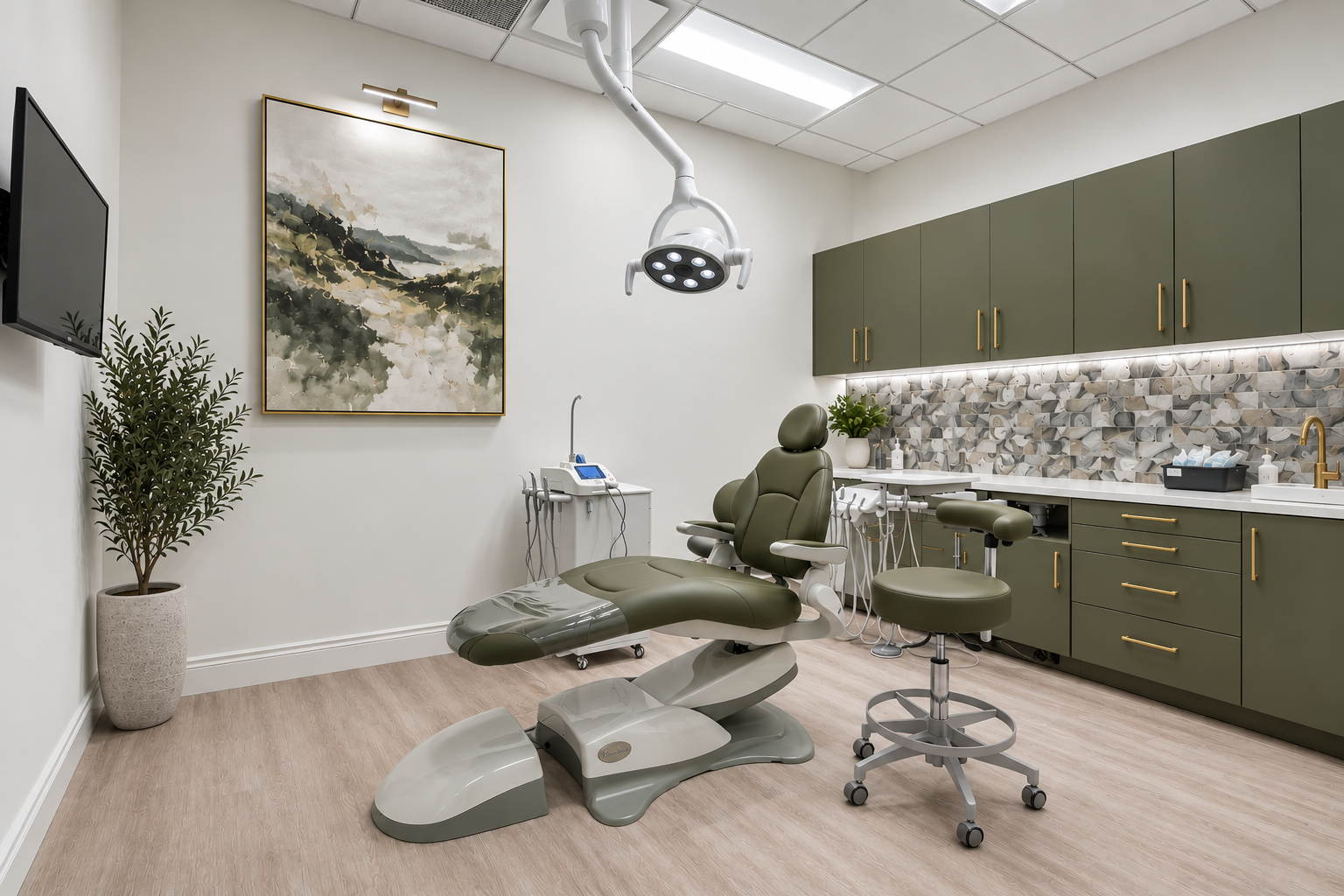
One of the first decisions in how to open a pediatric dental practice is whether to build an open-bay layout — multiple chairs in a shared, visible space — or private operatories. Open-bay designs are popular in pediatric dentistry because they reduce anxiety by letting kids see other children being treated calmly, and they let one hygienist or assistant keep an eye on multiple chairs. Private rooms suit practices treating older children, special needs patients, or families who prefer more privacy.
Sizing for Movement, Not Just Chairs
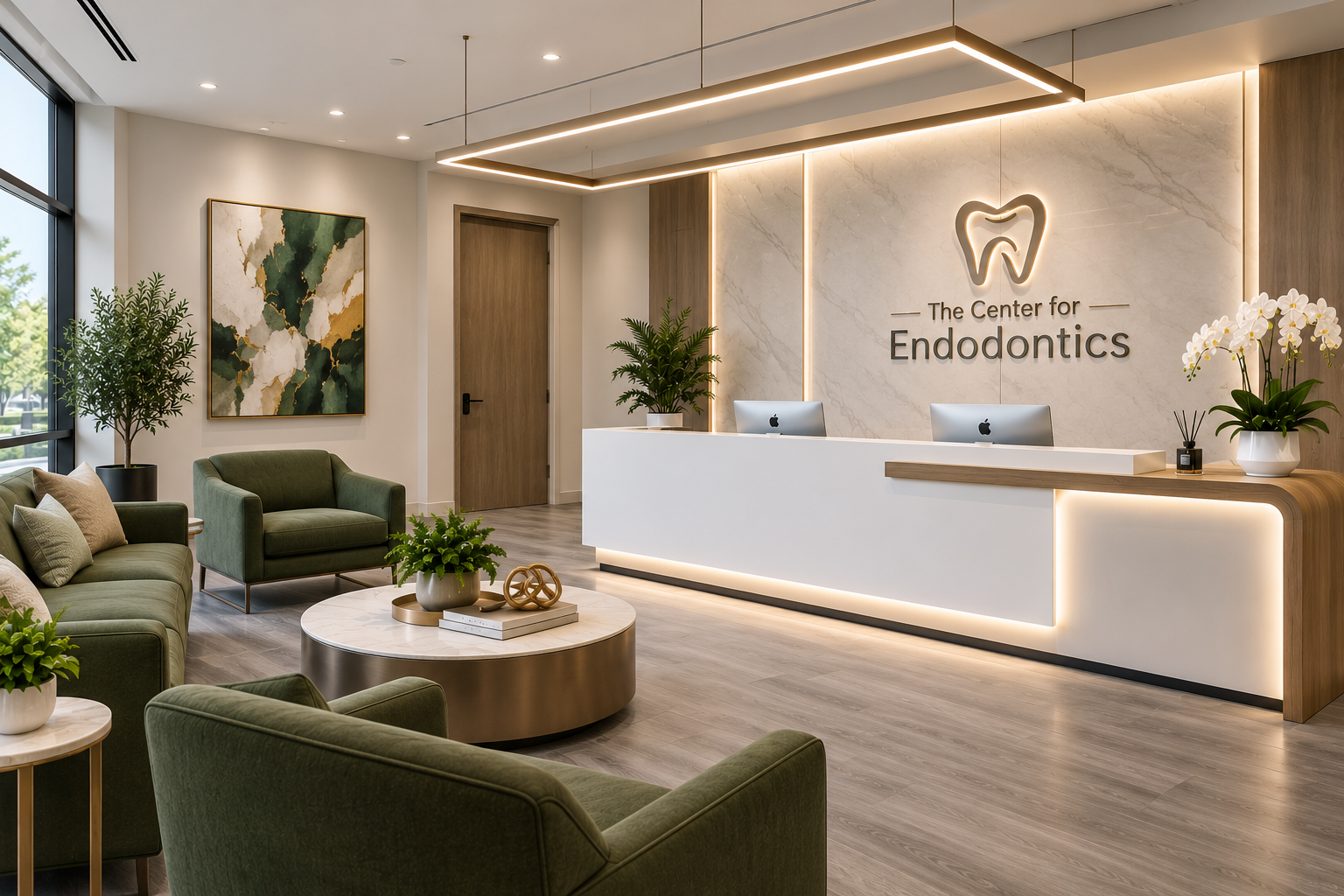
Pediatric patients, parents, and often siblings all move through the space together, so how to open a pediatric dental practice successfully means designing wider hallways, a larger waiting area, and often a play zone that keeps the practical square footage per operatory higher than a general practice, even though the chairs themselves are smaller.
Equipment Differences You Can’t Skip
Pediatric-specific equipment includes smaller-scale chairs and instruments sized for children, nitrous oxide setups (used more frequently than in general practice), and often specialized imaging positioning for smaller patients. Anyone mapping out how to open a pediatric dental practice needs to budget for this equipment specifically rather than assuming general dental equipment translates directly.
Staffing for a Different Patient Experience
Hiring for a pediatric practice prioritizes staff with genuine comfort and experience managing anxious or uncooperative young patients, not just clinical skill. Behavior management training, whether formal courses or on-the-job mentorship from an experienced pediatric team, is a real part of how to open a pediatric dental practice with a team that can handle the day-to-day reality of the patient population.
Marketing to Parents, Not Patients
Your marketing and branding decisions shift too — parents are choosing the practice, not the child, which means your messaging, website, and even your front-desk phone scripts need to speak to parental concerns about anxiety, safety, and communication rather than the clinical details that might resonate with an adult patient.
Insurance and Medicaid Considerations
Many pediatric markets have a meaningfully different insurance mix than general dentistry, often including a higher percentage of state Medicaid or CHIP patients. Understanding how to open a pediatric dental practice in your specific market means researching this mix early, since Medicaid reimbursement rates and administrative requirements differ significantly from commercial insurance and affect your financial projections.
Location Decisions Look Different Too
Proximity to schools, pediatricians, and family-dense neighborhoods matters more than proximity to office parks or commuter routes, which shifts the demographic and traffic analysis compared to a general startup in the same market.
The Bottom Line
How to open a pediatric dental practice comes down to treating the patient experience, design, staffing, and even location analysis as fundamentally different from a general startup — not a smaller version of the same playbook.