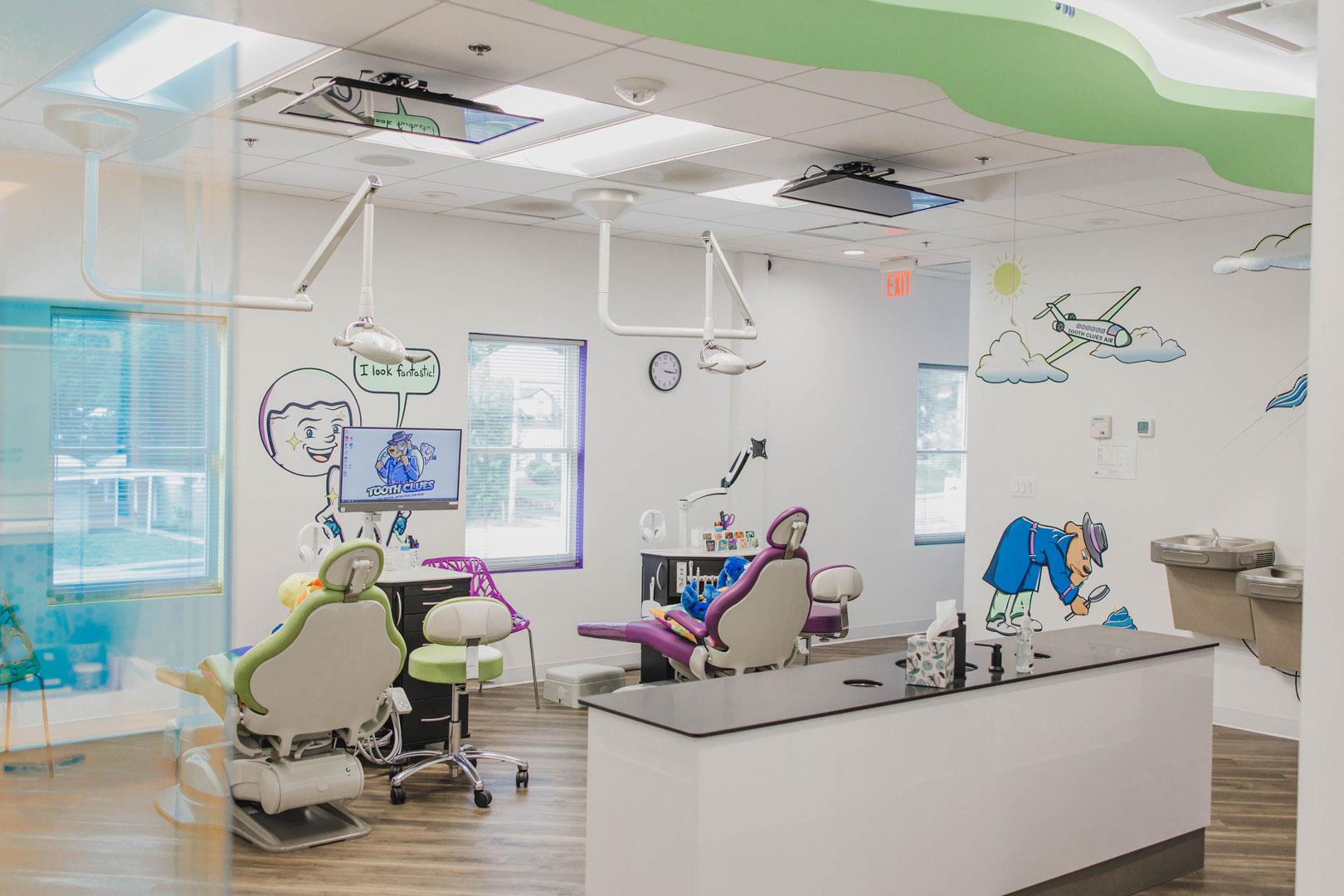
One of the earliest and most consequential decisions in any startup is how many operatories should a new dental practice have. Get this number wrong and you’re stuck either paying for empty rooms you can’t staff or turning away patients because you built too small. The right answer isn’t a fixed number — it’s a function of your production goals, your staffing plan, and how fast you expect to grow.
Start With Your Production Target, Not the Room Count
Rather than starting with how many operatories should a new dental practice have as an abstract question, work backward from your target annual production. A single general dentist working four to five clinical days a week can typically stay productive with four operatories — enough to keep a hygienist working in one or two rooms while the doctor rotates through exams and procedures without idle chair time.
Why Three Operatories Often Isn’t Enough
A three-operatory startup sounds efficient on paper, but it leaves almost no slack. If your hygienist is in one room and you’re in another, you have exactly one open room for a new patient exam, an emergency, or overflow — which means scheduling friction shows up almost immediately once patient volume builds. Many owners who ask how many operatories should a new dental practice have end up regretting a three-op build within eighteen months of opening.
The Four-to-Five Operatory Sweet Spot
For a solo general dentist planning to add a second hygienist within the first two years, four to five operatories is the most common sweet spot. It gives you room to run a doctor column and one or two hygiene columns simultaneously, plus a buffer room for same-day emergencies or a second provider down the line, without paying for capacity you won’t use for years.
When Six or More Makes Sense
Six-plus operatories generally only make financial sense if you’re planning to bring on an associate within the first year or two, or if you’re building a multi-provider practice from day one. Building this large as a solo practitioner without a near-term hiring plan usually means carrying rent and build-out costs on rooms that sit dark for years — an expensive answer to how many operatories should a new dental practice have.
Staffing Has to Scale With Your Operatory Count
Every additional operatory assumes you can staff it. An empty room doesn’t generate revenue — a staffed, scheduled room does. Before deciding how many operatories should a new dental practice have, map out your hiring timeline for hygienists and assistants against your projected patient volume, so your physical capacity and your staffing capacity grow together instead of one outpacing the other.
Building in Room to Grow Without Overbuilding
If you want flexibility without the upfront cost of extra operatories, negotiate shell space or a plumbed-but-unequipped room into your build-out. This lets you finish and equip an operatory later, when patient volume justifies it, rather than carrying the full cost of a finished room from day one.
The Bottom Line
The right answer to how many operatories should a new dental practice have comes from your production goals and hiring plan, not from what feels impressive on a floor plan. Four to five operatories covers most solo general startups comfortably; go beyond that only when you have a concrete plan to staff and fill the extra chairs.